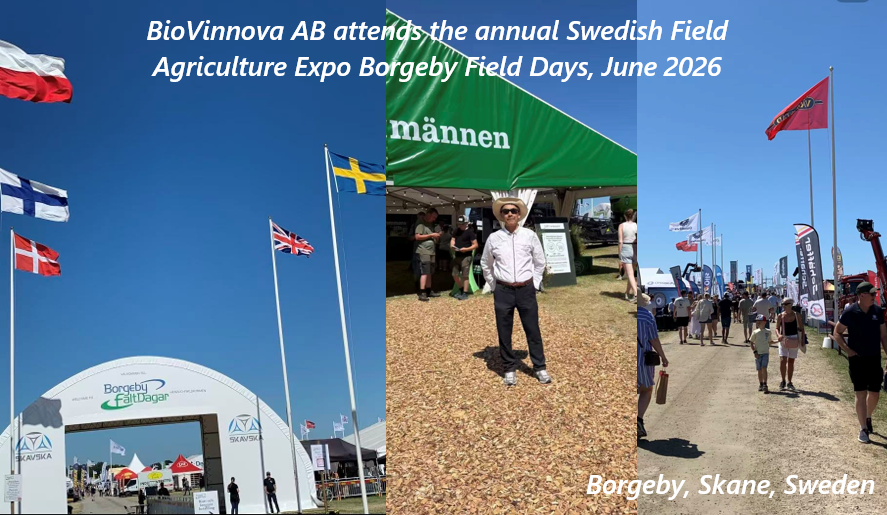
I had the opportunity to visit Borgeby Fältdagar 2026 for one productive day — an excellent chance to engage with the Swedish agricultural community in truly beautiful summer weather.
Throughout the day, I spoke with farmers, producer organizations, analytical laboratories, and technology suppliers from Sweden as well as Denmark, Germany, and Norway. These discussions provided valuable perspectives on current challenges, innovation needs, and the future direction of sustainable crop and food production in the region.
A personal highlight was meeting several fellow Uppsala University graduates 🤝 .
Events like Borgeby are important touchpoints for understanding market needs and identifying where BioVinnova AB can contribute — particularly in feed and food enzyme sourcing, food‑processing solutions, animal‑production applications, and bioprocess integration for biofuel production. These areas remain central to how we support partners and producers with science‑driven, globally connected expertise.
I look forward to continuing the conversations initiated during the visit and exploring new opportunities for collaboration.
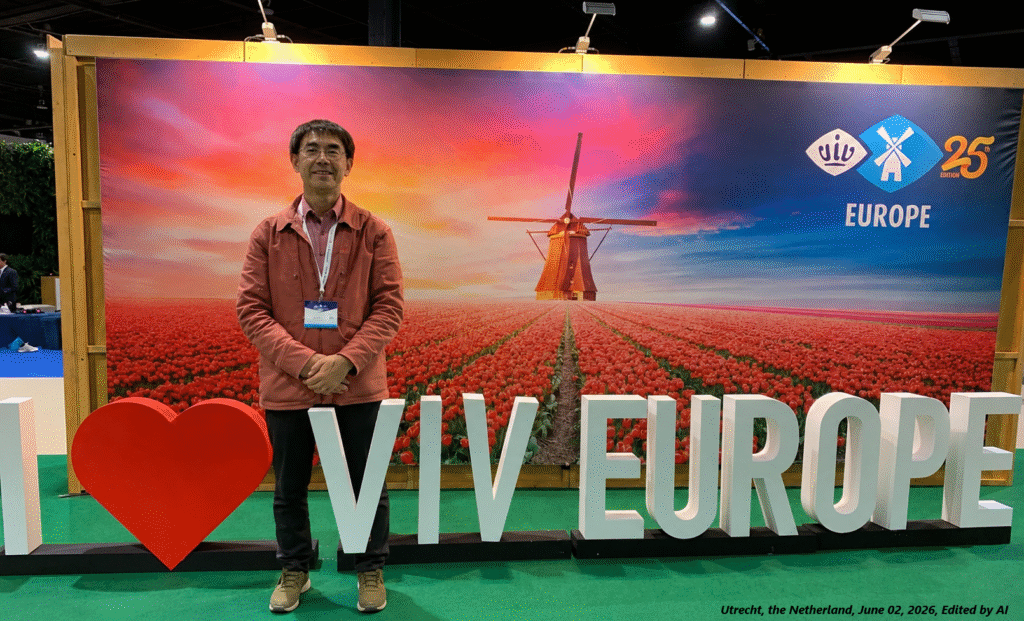
VIV Europe Utrecht, the Netherlands, June 2-4, 2026: It has been an exciting experience to greet old friends, reconnect with former colleagues, and meet many new partners in the world of enzymes for food and feed.
Being at three world‑class events under one roof — all in a single visit — is truly inspiring.
VIV Europe — A premier global exhibition showcasing innovations across the entire animal protein value chain, from feed to food.
VICTAM International — The world’s leading event for feed processing technology, feed ingredients, and industrial grain processing equipment.
GRAPAS Europe — A specialized exhibition focused on flour milling, grain processing, rice technology, and related industrial solutions.
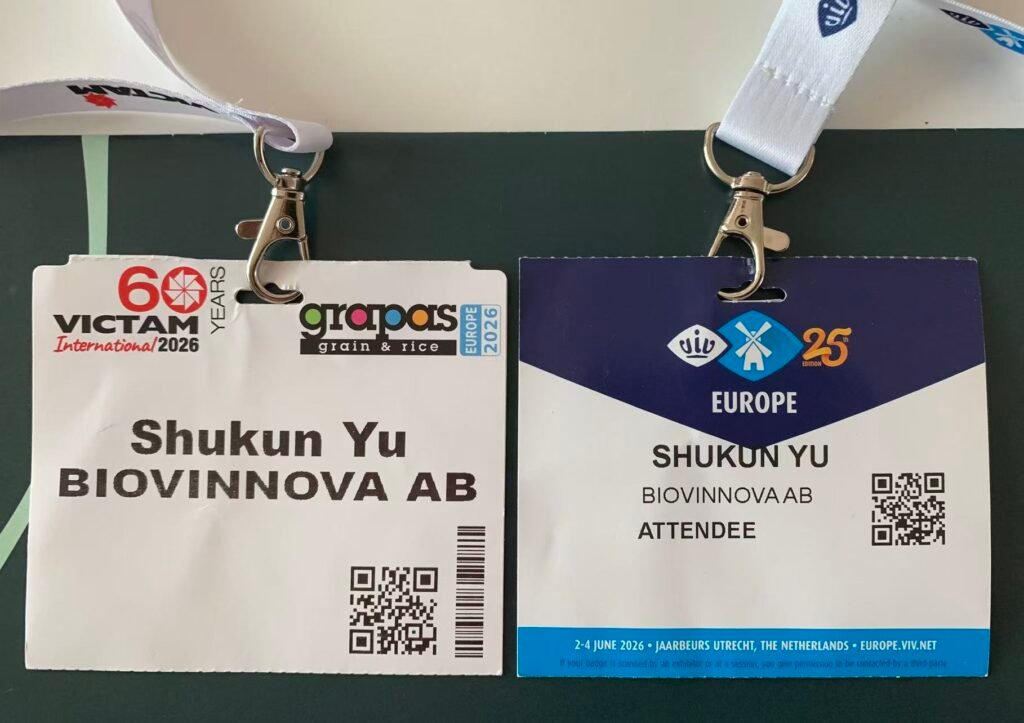
I am so grateful to all of you for the meaningful conversations, new insights, and the strong momentum in our industry. Looking forward to continuing these connections and collaborations.
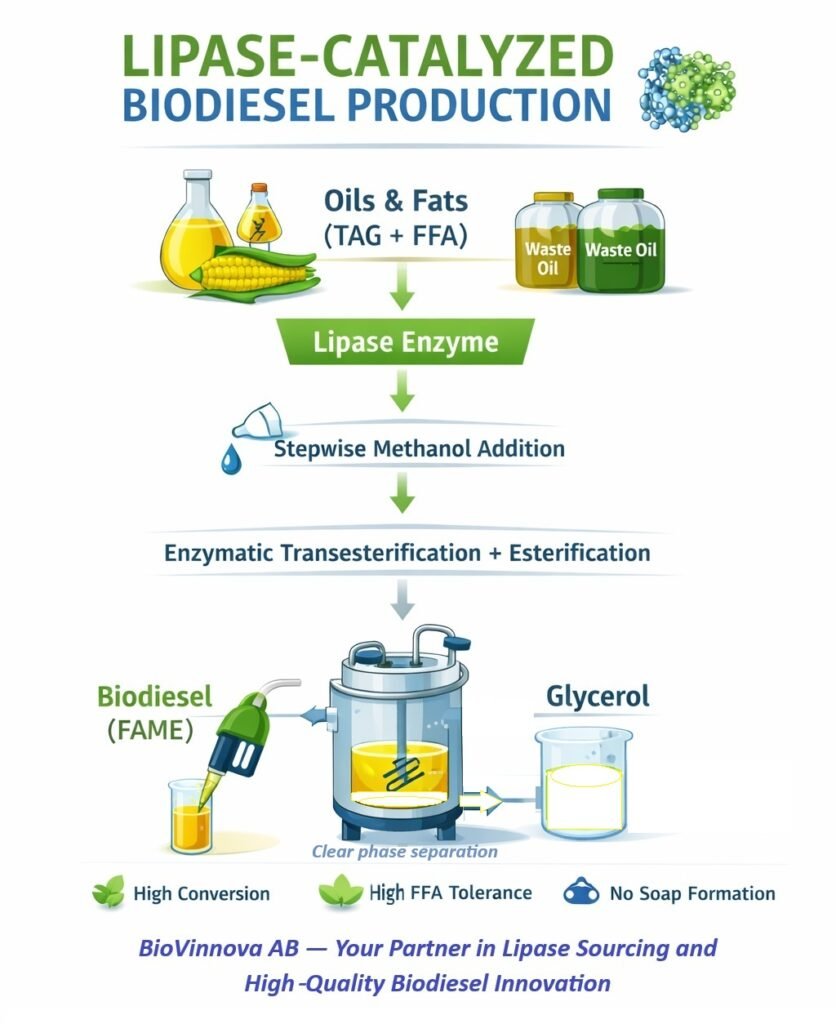
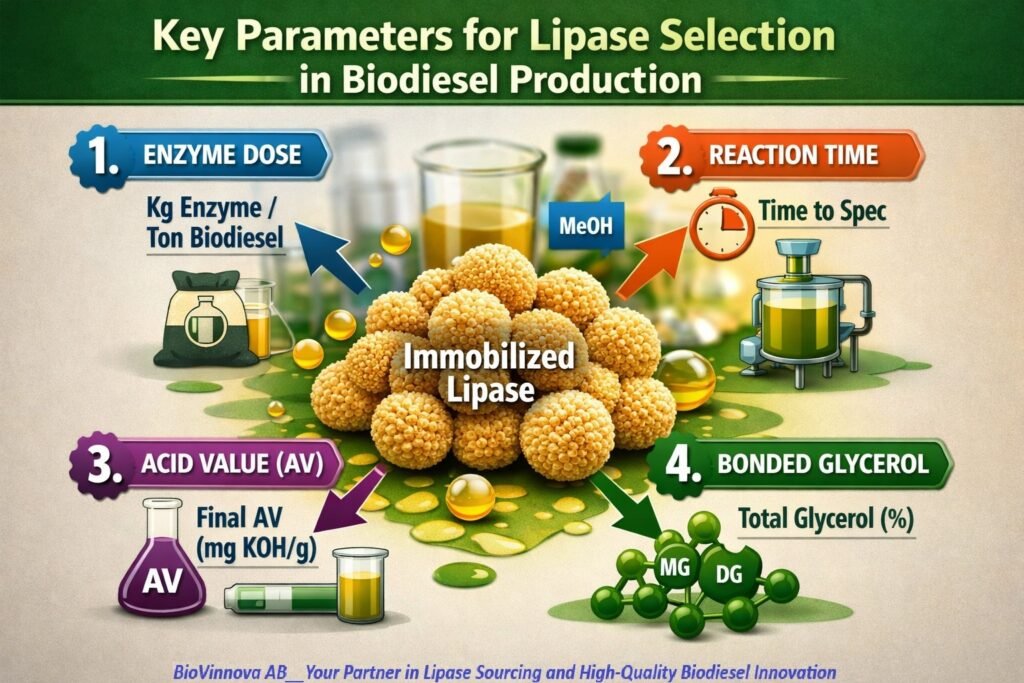
High lights (May 27, 226): Our Linkedin posts related to biodiesel production with immobilized lipase have got some 10,000 impressions with over 50 comments and discussions, thank you all: 🌿 BioVinnova AB: Powering the Next Generation of Biodiesel with Lipase Innovation What if biodiesel could be cleaner, easier to produce, and far more sustainable — all at once? At BioVinnova AB, we help producers unlock exactly that through advanced lipase‑driven biodiesel technology. From enzyme sourcing to process optimization, we guide you toward high‑conversion, low‑impurity biodiesel that meets the toughest fuel standards with confidence. Enzymatic transesterification is reshaping the industry: • Operates under mild, energy‑saving conditions • Handles high‑FFA feedstocks without soap formation • Produces biodiesel with exceptionally low glycerides and excellent fuel properties • Enables multi‑cycle enzyme reuse and compatibility with waste oils With modern immobilized lipases and optimized methanol strategies, enzymatic biodiesel is becoming a cornerstone of circular, low‑carbon fuel systems. Our mission at BioVinnova AB is to help you adopt these technologies smoothly, efficiently, and profitably. Cleaner chemistry. Higher fuel quality. A smarter path to sustainable energy. That’s the future we’re building — together.
News & Events 2026
My Linkedin post (March 18, 2026): New Frontiers in Starch Degradation: From My Early Work on Glucan Lyase to Today’s Microbial Innovations:
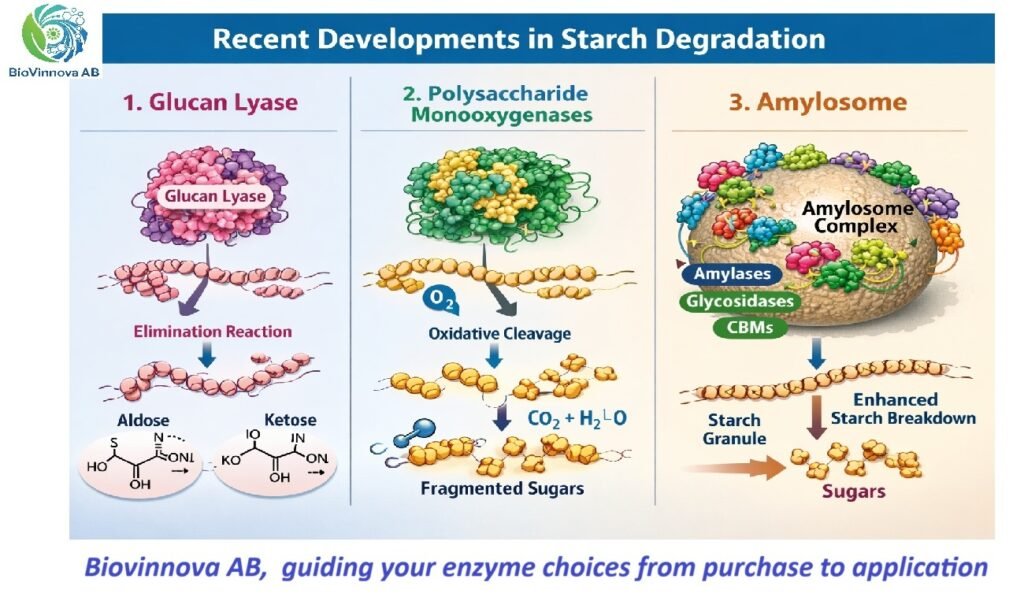
Over the past decades, starch biochemistry has evolved far beyond classical amylohydrolases (amylases). When I began working on glucan lyase, we opened a completely new pathway in starch conversion (the Anhydrofructose Pathway) — one that bypassed glucose and maltose entirely and produced 1,5‑anhydro‑D‑fructose through a unique β‑elimination mechanism (see figure below). That discovery reshaped how we think about starch transformation.
Today, three major developments are redefining the field:
1️⃣ Glucan Lyase — A Conceptual Shift I Was Proud to Contribute To:
Glucan lyase remains one of the most unusual starch‑active enzymes ever described. Unlike hydrolases, it performs a lytic cleavage of α‑1,4‑glucans, generating 1,5-anhydro-D-fructose, a precursor for antioxidants and bioactive compounds.
From mechanistic elucidation to microbial sources and biotechnological applications, I’ve been fortunate to contribute 48 publications to this field (thanks to all my collaborators!)— helping establish glucan lyase as a distinct and valuable biocatalyst.
2️⃣ Polysaccharide Monooxygenases (AA13 LPMOs) — Oxidative Starch Cleavage:
A major breakthrough of the last decade is the discovery of AA13 lytic polysaccharide monooxygenases, which oxidatively cleave starch. As highlighted in the figure below, these enzymes: introduce oxidative cuts into starch polymers open crystalline or recalcitrant regions, act synergistically with classical amylases. This represents a fundamental shift: starch degradation is no longer viewed as purely hydrolytic. LPMOs expand the enzymatic “toolbox” and are now recognized as part of the emerging starch‑active enzyme system.
3️⃣ The Amylosome — A Multi‑Enzyme Machine for Resistant Starch
Perhaps the most fascinating recent discovery is the amylosome of Ruminococcus bromii, as a multi‑protein extracellular complex specialized for degrading resistant starch. Its key components include:
Sas6 and Sas20, starch‑binding proteins with CBM26 and CBM74 modules,
Amy4 and Amy16, synergistic amylases that attack semi‑crystalline granules.
🌟 Looking Ahead
From glucan lyases to monooxygenases, and to amylosome multi‑enzyme complexes, the field is apparently moving toward a richer, more mechanistically diverse understanding of starch biotransformation. It will certainly have impacts in diverse fields.
My Linkedin post: A friend recently posed a thoughtful challenge to me:
“You’ve spent decades at a leading industrial enzyme company and developed many enzymes. But aren’t most of them just variants of known ones—new versions of existing molecules rather than truly new discoveries?”
A fair observation—and in many cases, true, I replied.
But it’s not the whole picture, added I:
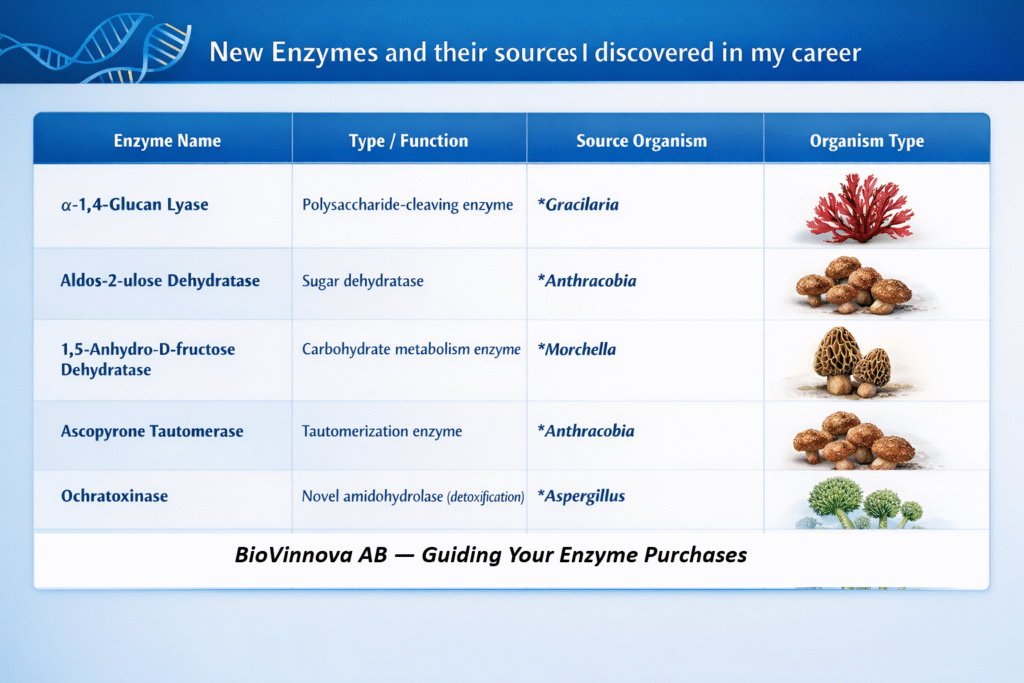
Alongside the iterative innovation that drives much of industrial biotechnology, I’ve also had the rare privilege of uncovering several enzymes that were genuinely new to science, including:
• α‑1,4‑Glucan Lyase (from the red alga Gracilaria) • Aldos‑2‑ulose Dehydratase (from the fungus Anthracobia) • 1,5‑Anhydro‑D‑fructose Dehydratase (from the fungus Morchella) • Ascopyrone Tautomerase (from the fungus Anthracobia) • Ochratoxinase, a novel amidohydrolase (from Aspergillus) (IUBMB Life, 60(12): 798–809, 2008).
Equally meaningful was the opportunity I had to name these enzymes according to Enzyme Commission principles—and to see those names adopted by the scientific community. Posted FEb. 2026
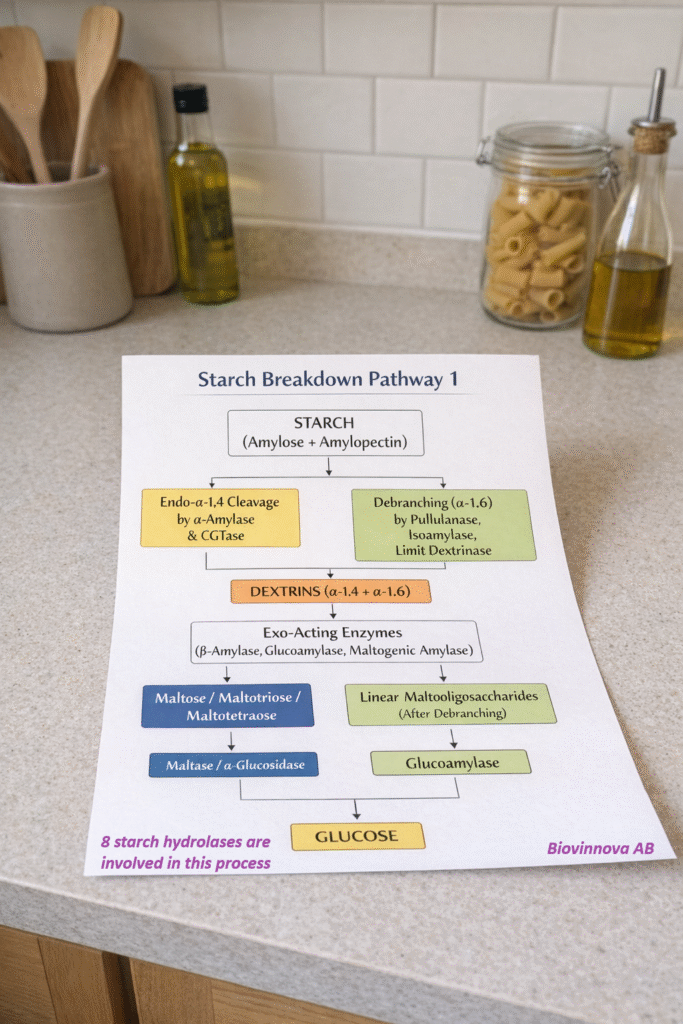
My Linkedin Post on Starch and Starch hydrolases (Part 1): Starch, the major carbohydrate in plant‑based foods, is a glucose polymer composed of two structural forms: amylose, a mostly linear chain of glucose units linked by α‑1,4‑glucosidic bonds, and amylopectin, a branched polymer containing both α‑1,4‑ and α‑1,6‑glucosidic linkages. Together, these two polymers define the functional and nutritional behavior of starch.
Complete conversion of starch into glucose is far from trivial. Because of its mixed linkage types and complex branching, full hydrolysis may require the coordinated action of up to eight different hydrolases—including α‑amylase, β‑amylase, glucoamylase, pullulanase, isoamylase, maltogenic amylase, maltase, and α‑glucosidase—each targeting specific bonds or structural features within the starch granule. Posted Feb. 2026
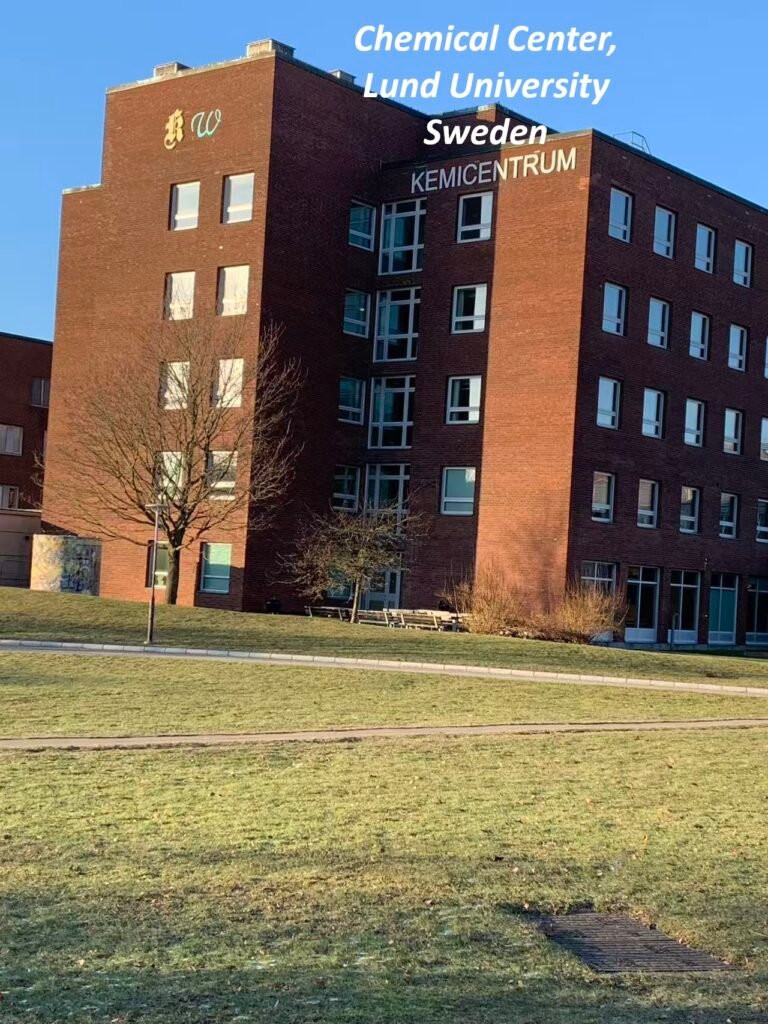
Give seminar at LTH (Lund Univ. Sweden) on Feb. 02. It was a real pleasure to visit the Division of Biotechnology and Applied Microbiology at Lund University and gave my seminar, “Synthetic Biology: Successful Stories, Learning and Future Perspective.”
Warm thanks to Prof. Rajni Hatti-Kaul for the invitation and to Dr Roya Sardari for the smooth arrangements. I was especially happy that Dr. Ed van Niel, a long‑time friend, presided over the seminar.
The best part was the deep, engaging discussions afterward with Prof. Rajni Hatti-Kaul and Prof. Carl Grey—conversations that reminded me why this field continues to inspire me.
Returning to this division felt special in a very personal way. This is where I began my journey as an adjunct professor, a role I held for six years while working full‑time at DuPont. Walking back into the corridors and greeting former colleagues brought back many warm memories.
Thank you to everyone who made this visit meaningful. I left with both gratitude and renewed energy.
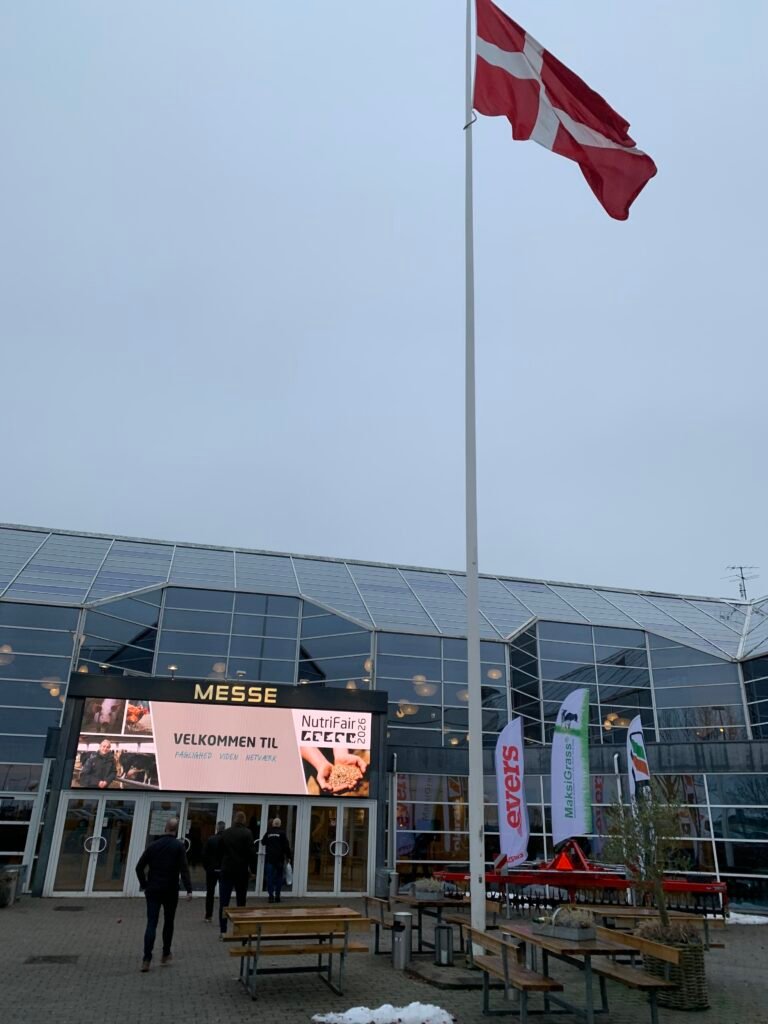
Denmark: I attended NutriFair 2026 Fredericia January 2026
It was a great opportunity to reconnect with colleagues across Northern Europe and to introduce the Simulated Digestion System to additional feed mills and integrators.
What really stood out this year was the strong focus and energy around feed enzymes, feed efficacy, and animal health & welfare. These were not just agenda items, but central themes shaping meaningful, forward-looking discussions between farmers and leading suppliers. For detail of this visit, see my linkedIn
Sweden: It was a great pleasure to visit two highly innovative companies — BPC Instruments AB and Robust Seed Technology A&F AB. Both are true leaders in their respective fields, and both proudly rooted in Lund, Skåne.
News & Events 2025
Denmark 5 Events: In autumn 2025, I visited and delivered seminar presentations at five leading Danish organizations: Novonesis (Lyngby/Copenhagen), IFF (Brabrand/Aarhus), Aarhus University (Foulum), SEGES/Agro Food Park (Aarhus), and Hamlet Protein (Horsens). These meetings allowed me to engage directly with customers, exchange insights, and explore opportunities for collaboration. I am grateful to the inspiring professionals I met and encouraged by their achievements in food, feed, grain processing, and biorefinery.
Sweden 4 Events: As winter 2025 approached, my work extended into Sweden. I participated in the Swedish FoodTech Network Innovation Day in Malmö (home to BioVinnova AB), attended the Skåne Innovation Day in Lund. It was a fruitful visit to Krinova Incubator & Science Park in Kristianstad. I had insightful and in-depth discussion with Max there. A highlight was the meeting with Bo and his colleagues at Center for Food, Health, and Retail at Kristianstad University and delivered a speech on Synthetic Biology. These activities strengthened BioVinnova AB’s customer relationships, broadened my perspective, and reinforced the innovative spirit driving the Nordic region forward. For details of the two visits, see linkedIn
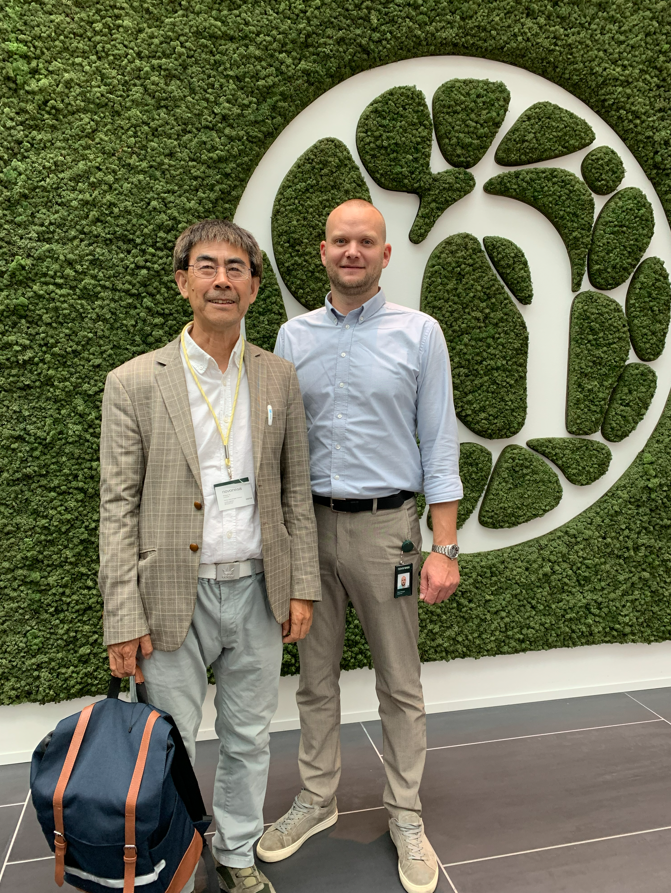
Visit Dr M. B. Pedersen, Product pipeline manager at Novonesis Headquarter at Lyngby, Denmark, Sept 11, 2025
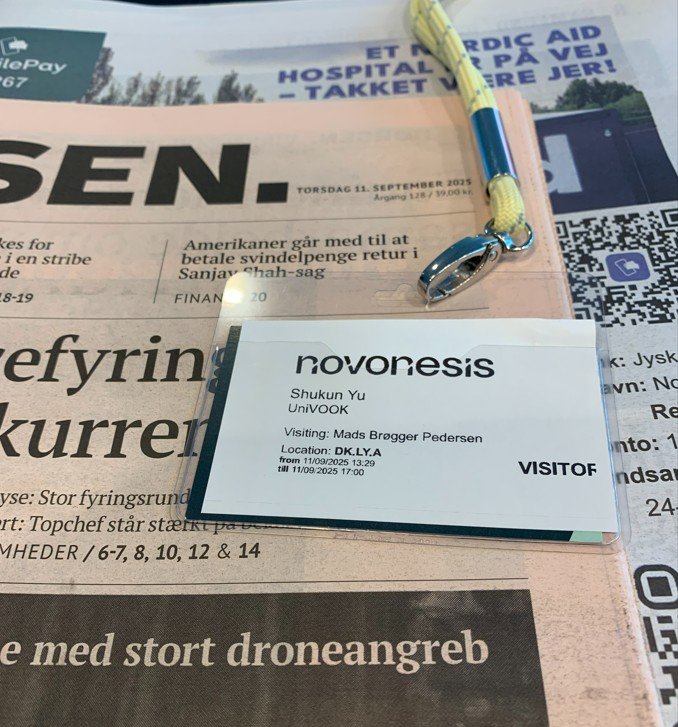
Visit Novonesis at Lygnby, Copenhagen, Denmark, Sept 11, 2025
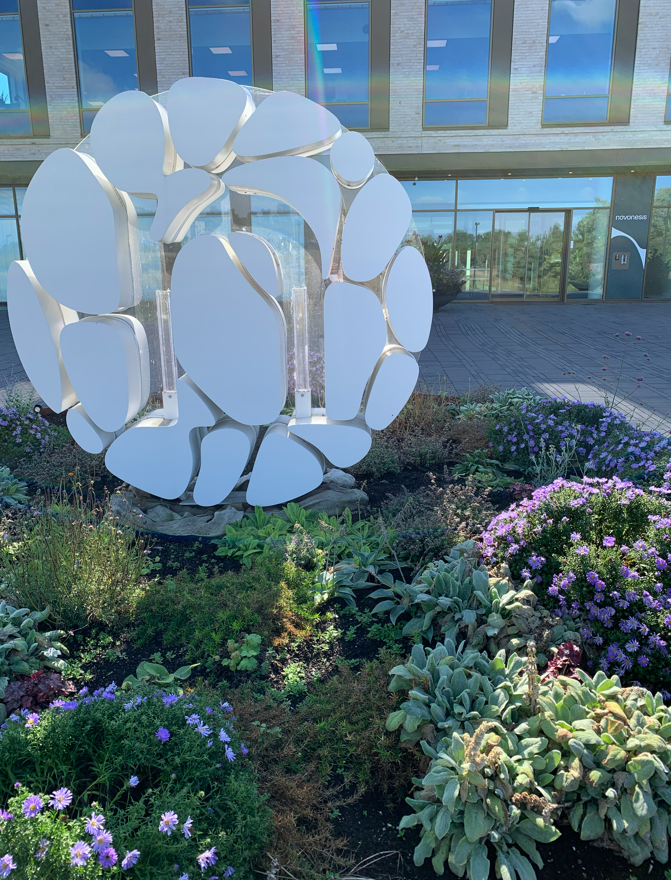
Visit Novonesis at Lyngby, Denmark Sept 11, 2025
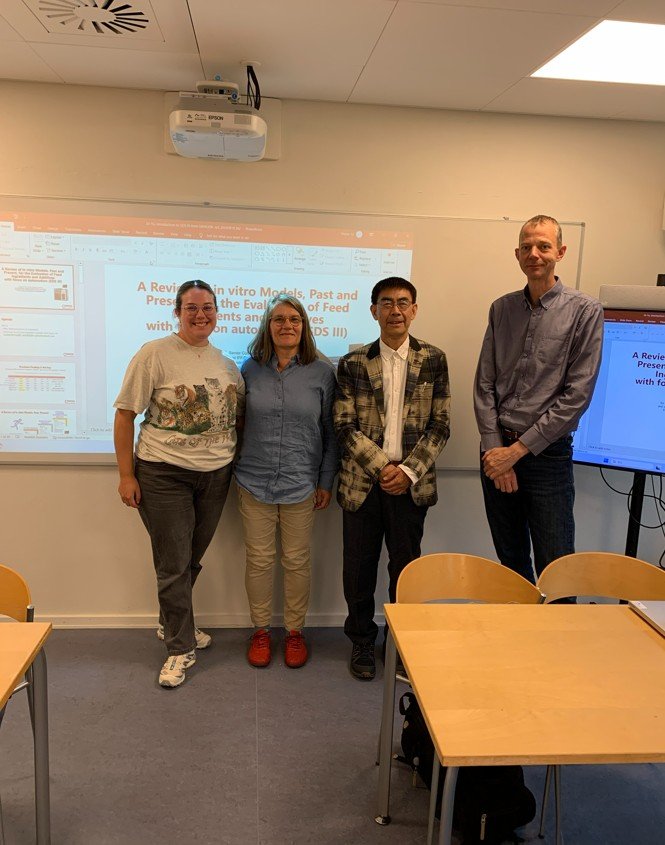
Visit Aarhus University at Foulum
Prof. Jan V. Nørgaard,
Prof. Helle N. Lærke, +the team, Sept 29, 2025
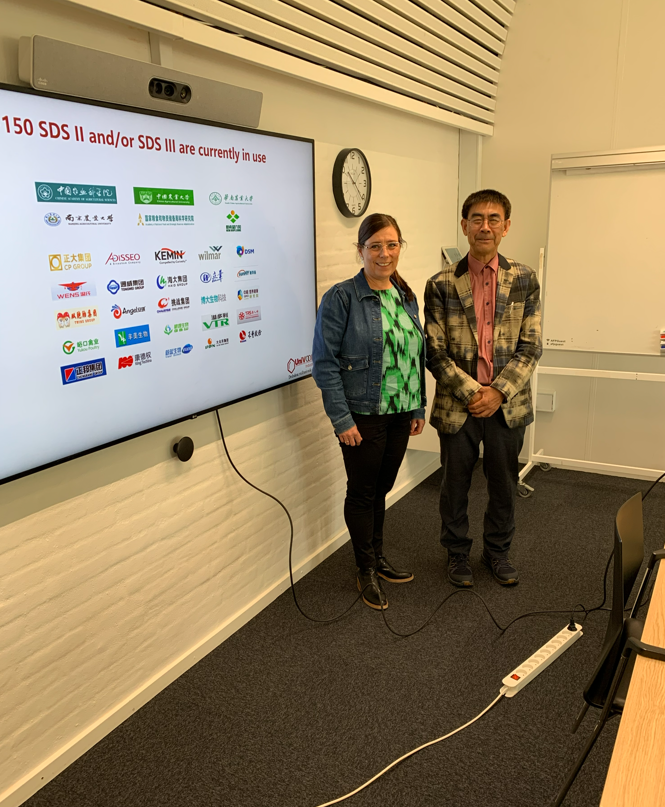
Visit Dr K. Blåberg, senior manager at SEGES, and the SEGES team, Sept 30, 2025
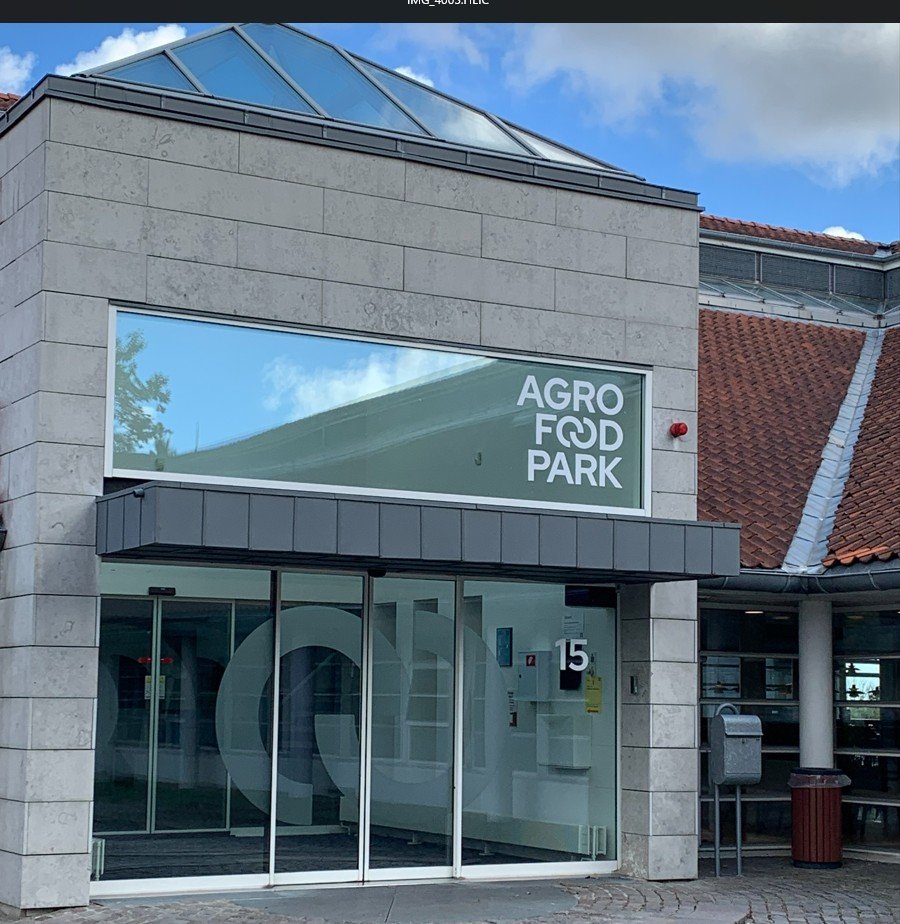
Visit Agro Food Park (Aarhus), Sept 30, 2025
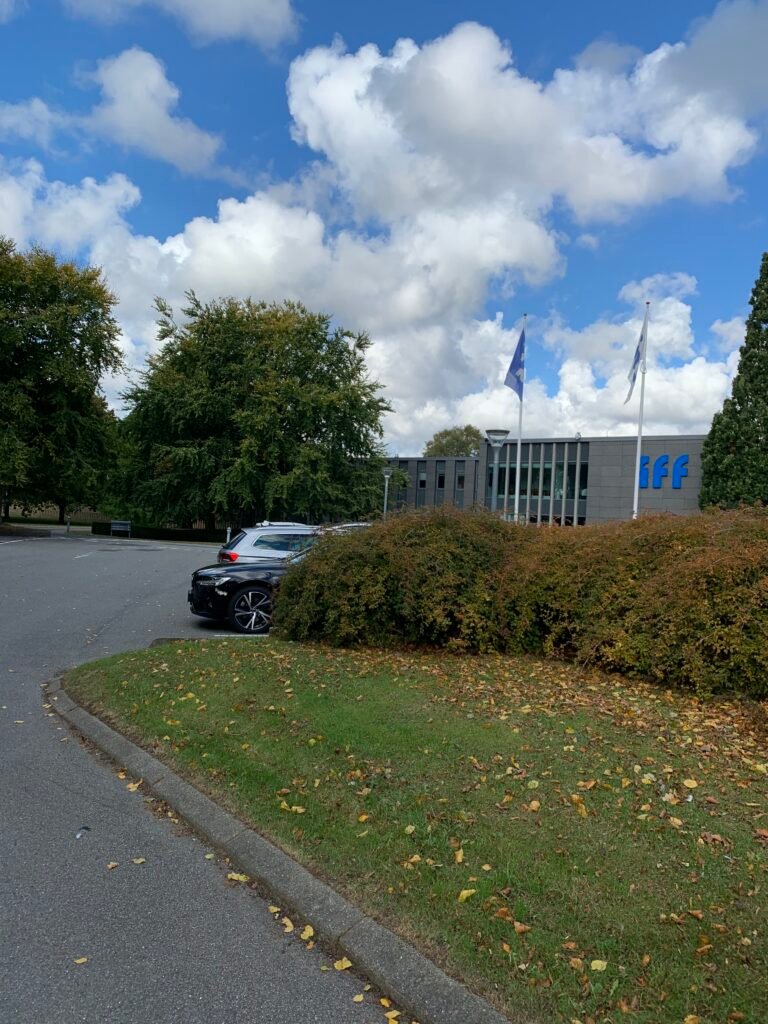
Visit Dr. K. M. Kragh, Technical Fellow, Group leader (my ex manager), at IFF, Aarhus, Denmark, Sept 30, 2025
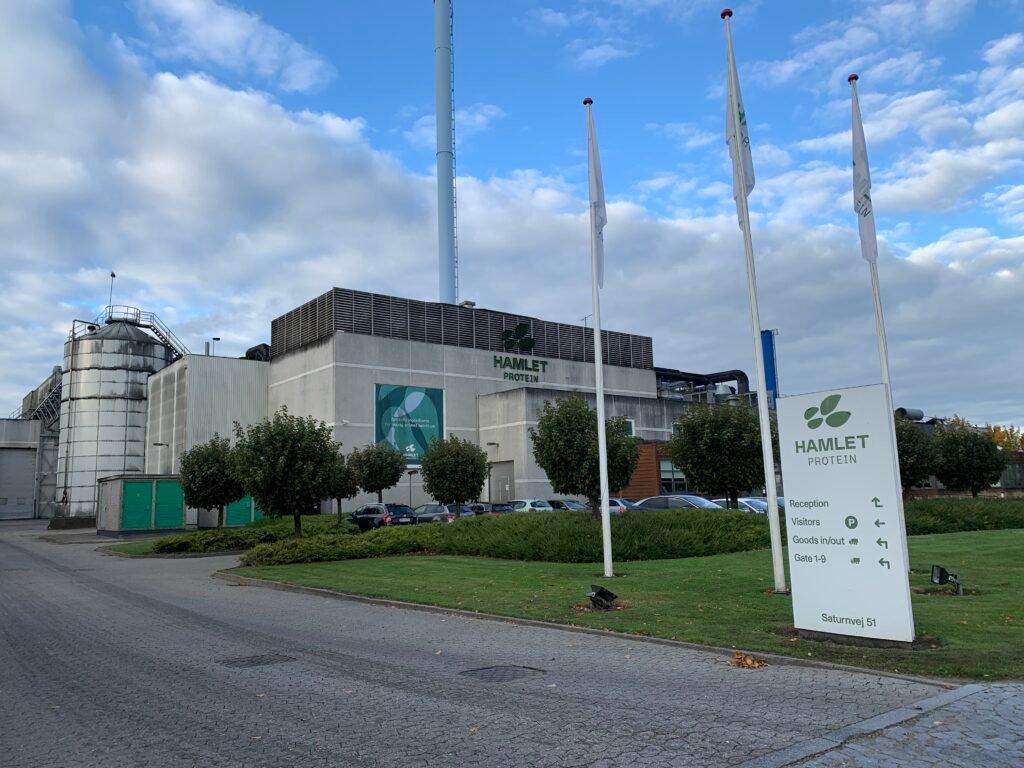
Visit Hamlet Protein at Horsens, Mr. J. Klausen, chief swine nutritionist, Oct. 01, 2025
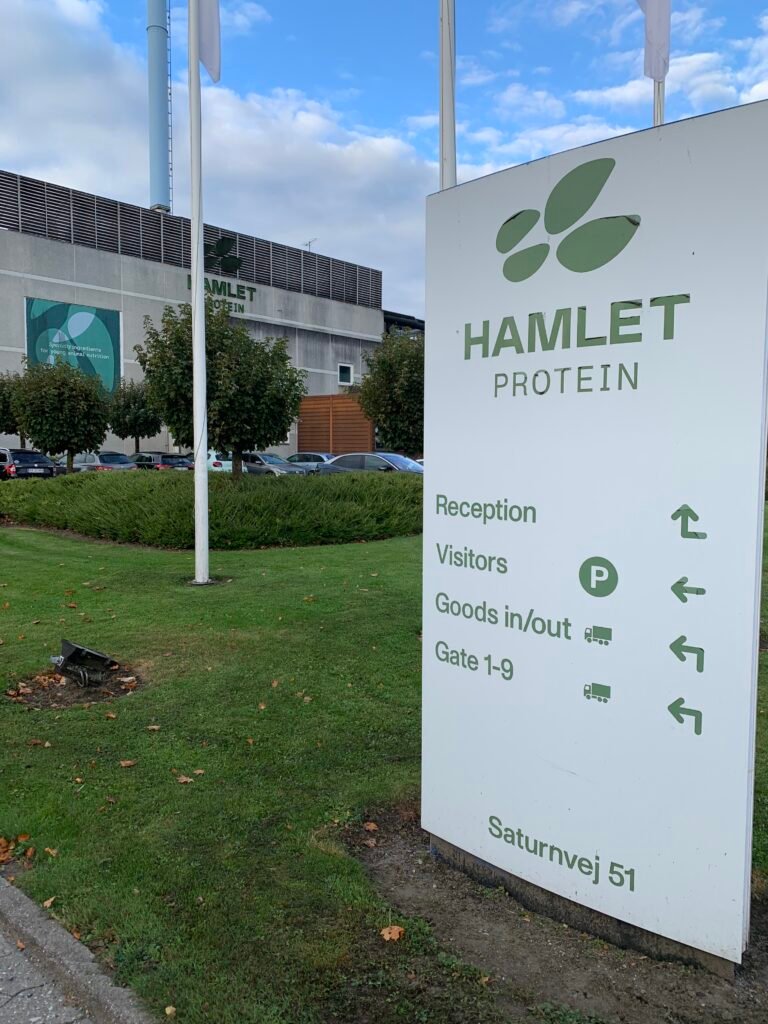
Visit Hamlet Protein at Horsens, Mr. J. Klausen, chief swine nutritionist, Oct. 01, 2025
Autumn 2025, took part in activities in Food Science innovation meetings in Malmö, Lund, and Kristianstad of Sweden :
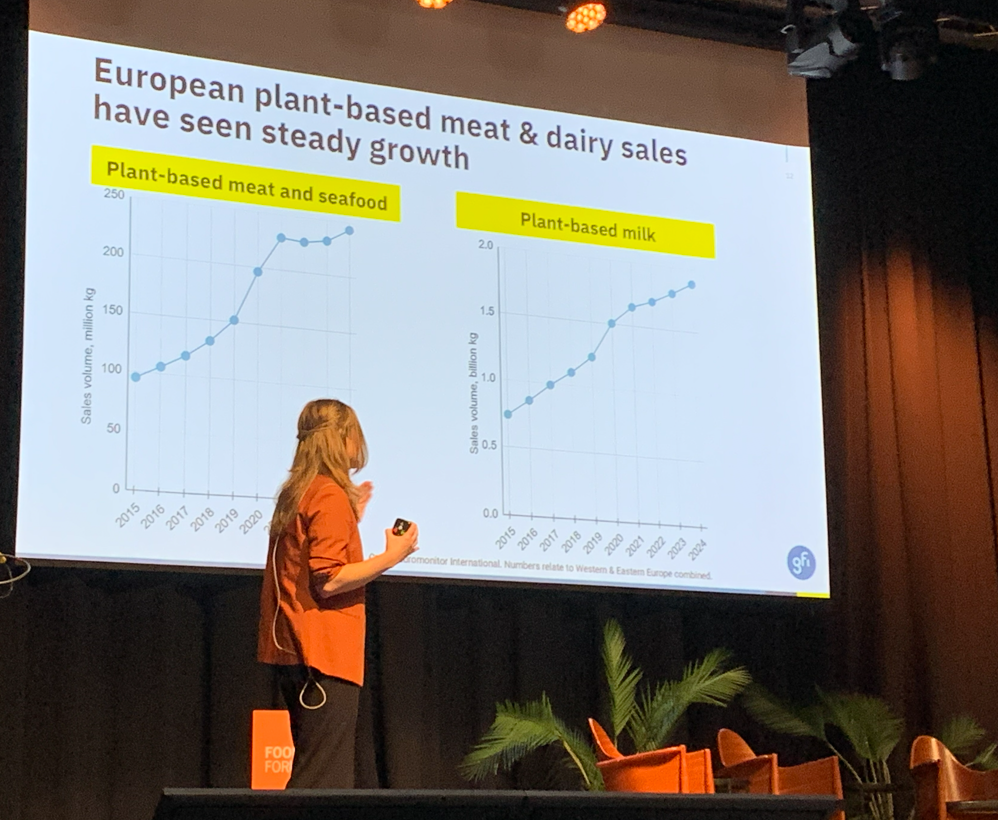
Attending FoodTech Network Innovation Day, Malmö, Sweden, Nov. 18, 2025
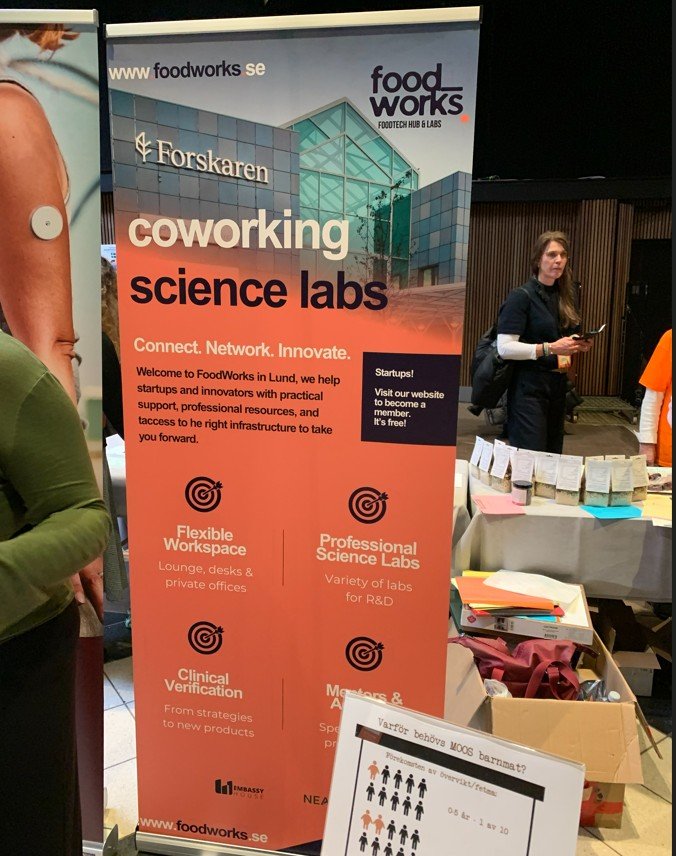
Attending FoodTech Network Innovation Day, Malmö, Sweden, Nov. 18, 2025
Attending Skåne Innovation Day, Lund, Sweden, Dec. 01, 2025
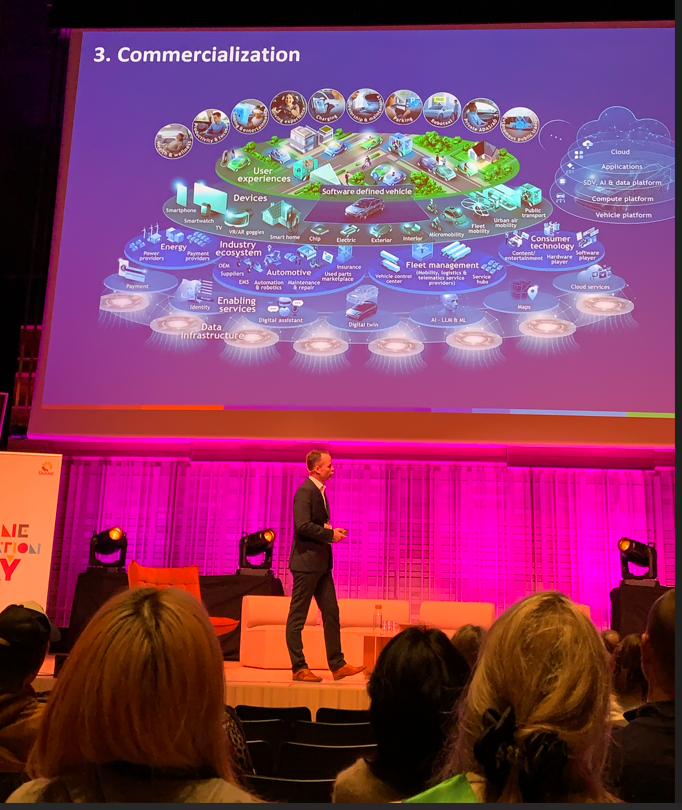
Listen to presentation by Bosch R&D center leader in Lund, Sweden
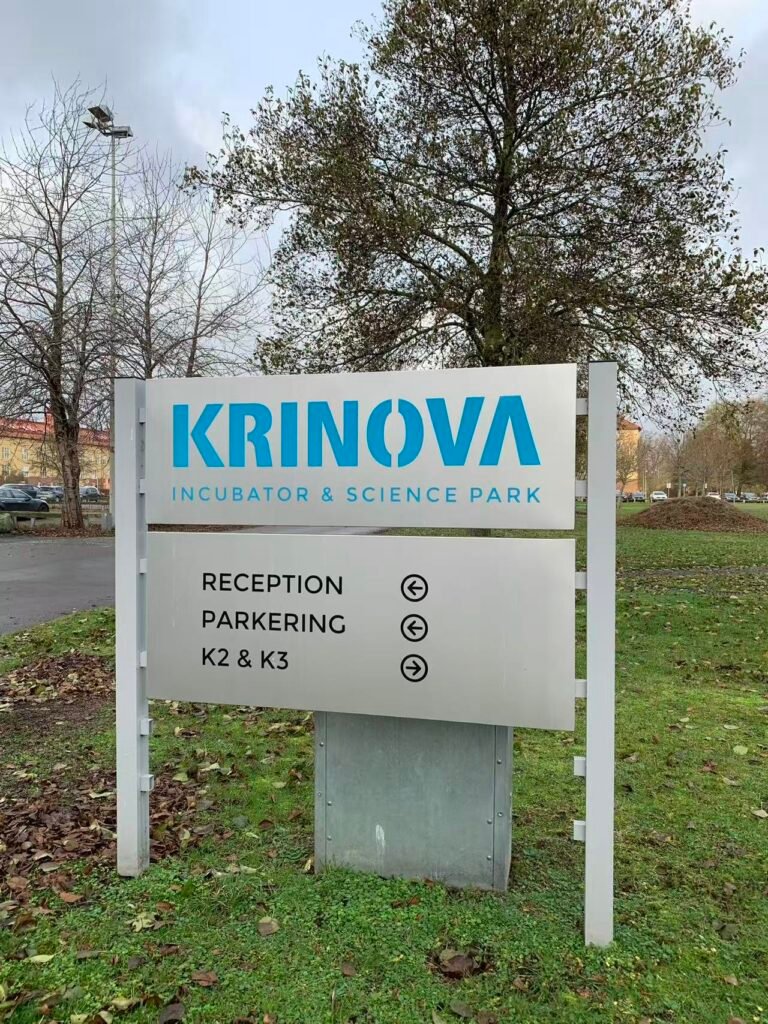
Dec 10, 2025, I had the pleasure visiting Krinova. Thanks to Max for in‑depth discussions
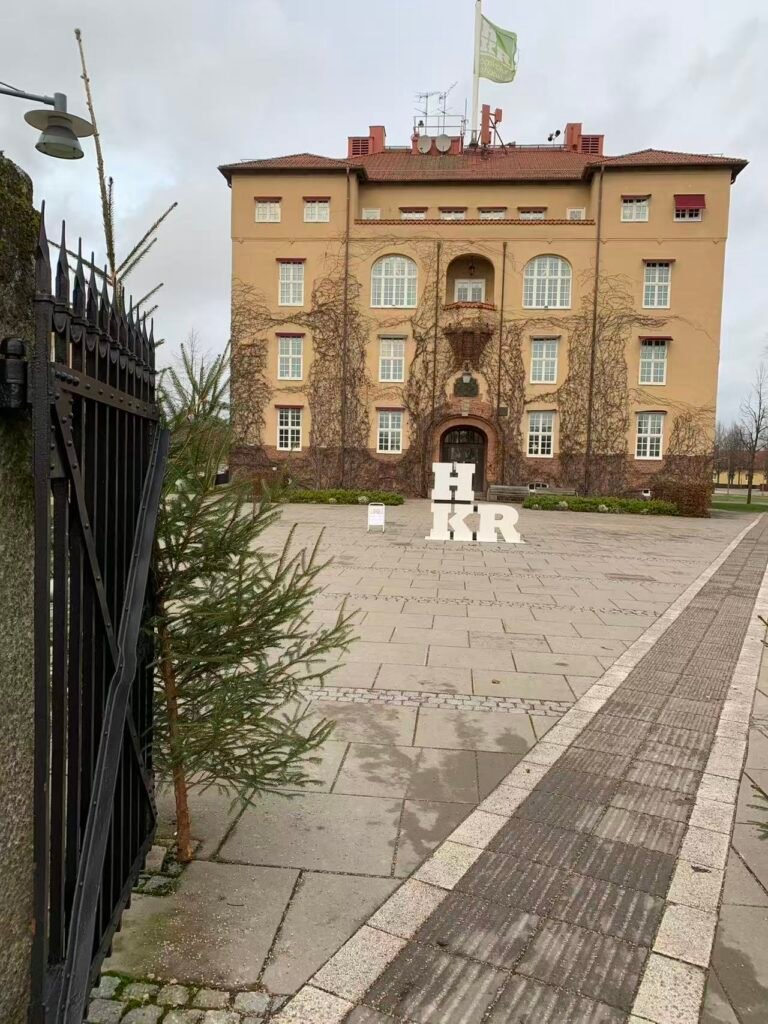
Great visit to Dr Bo Ekstrand and his colleagues at Center for Food, Health & Retail, Kristianstad Univ. Dec. 10, 2025
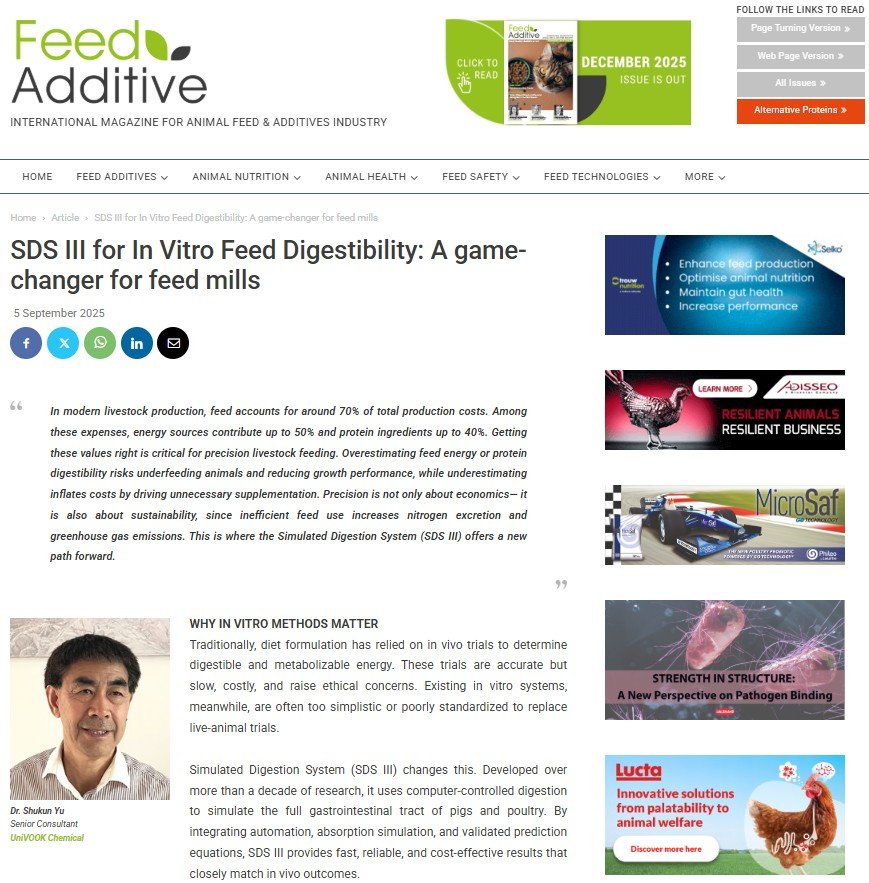
July 2025, accepted the task to be the external Senior Consultant to UniVOOK Limited to promote the Simulated Digestion System (SDS III), May 2025. It was announced in Feed & Additive Magazine, and other major social media:
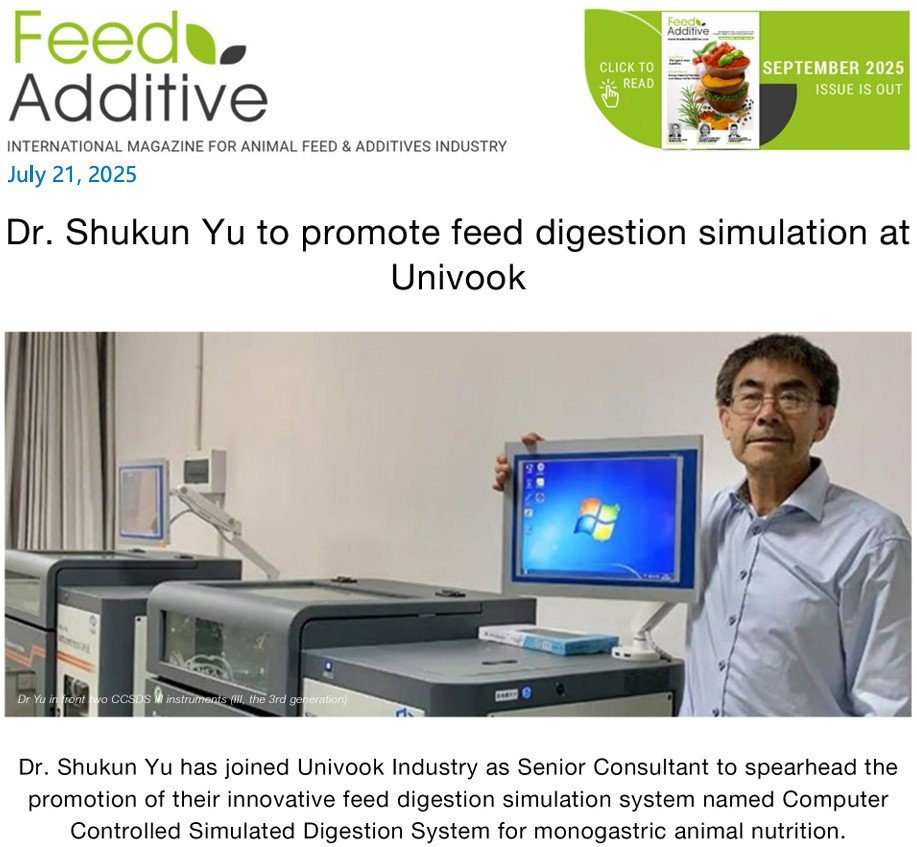
Sept 2025 published an invited review on Simulated Digestion System (SDS III) in Feed & Additive Magazine:
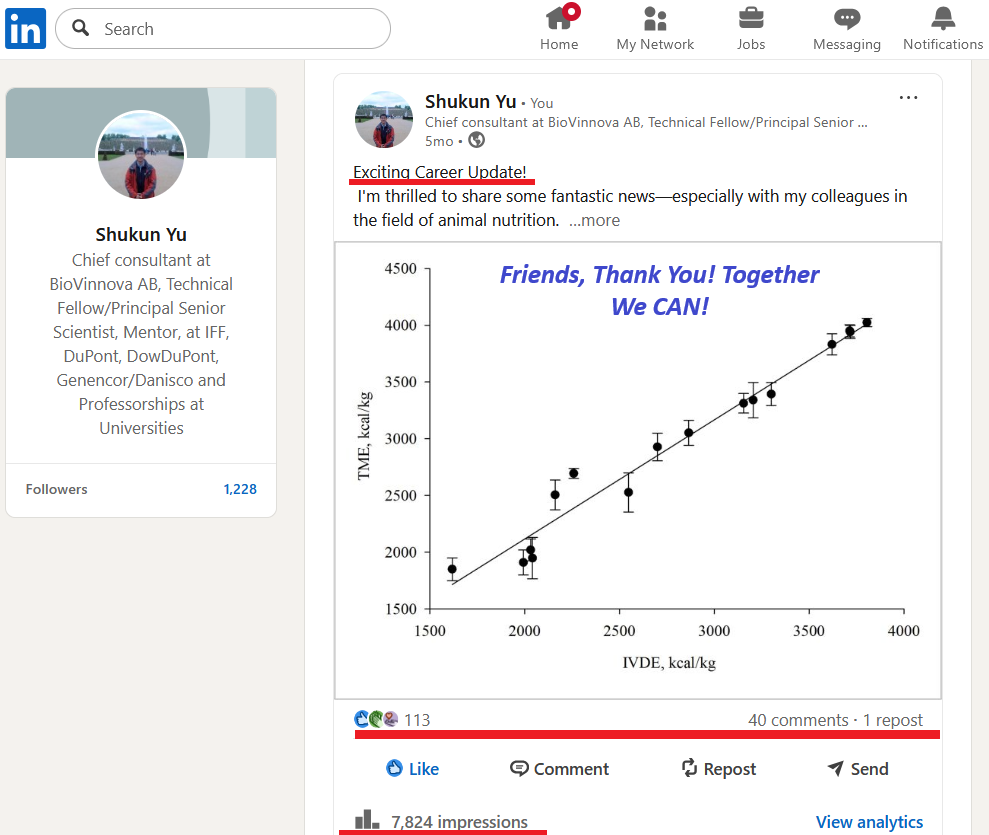
After a brief academic career at Uppsala University, I spent more than 30 years in the industry with Danisco, DuPont, DowDuPont, and IFF. Following a one-year pause, I decided to return to business as Chief Consultant. My heartfelt thanks go to the 100+ professionals and friends in my LinkedIn connections who supported my comeback and happily got re-connected:
My EU Collaborations and Serving as Panel Expert:
Joint PhD Supervision, Research Collaboration with Seven EU Universities, and Service as Expert Panel Member for EU Research Programs and Marie Curie Fellowships
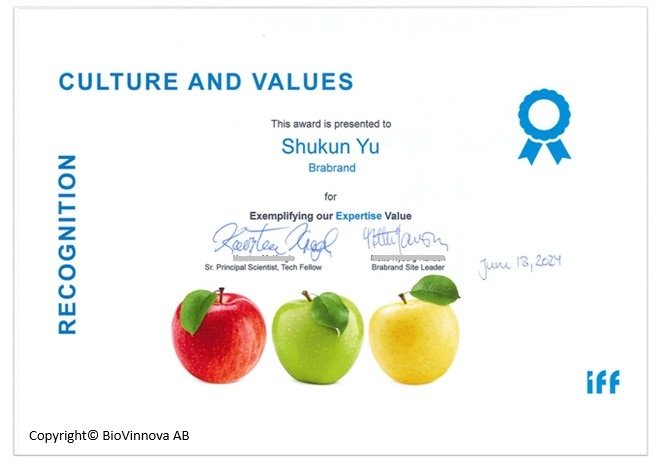
The last Recognition Award from my cherished ex-employer IFF (International Flavors & Fragrances) in 2024:
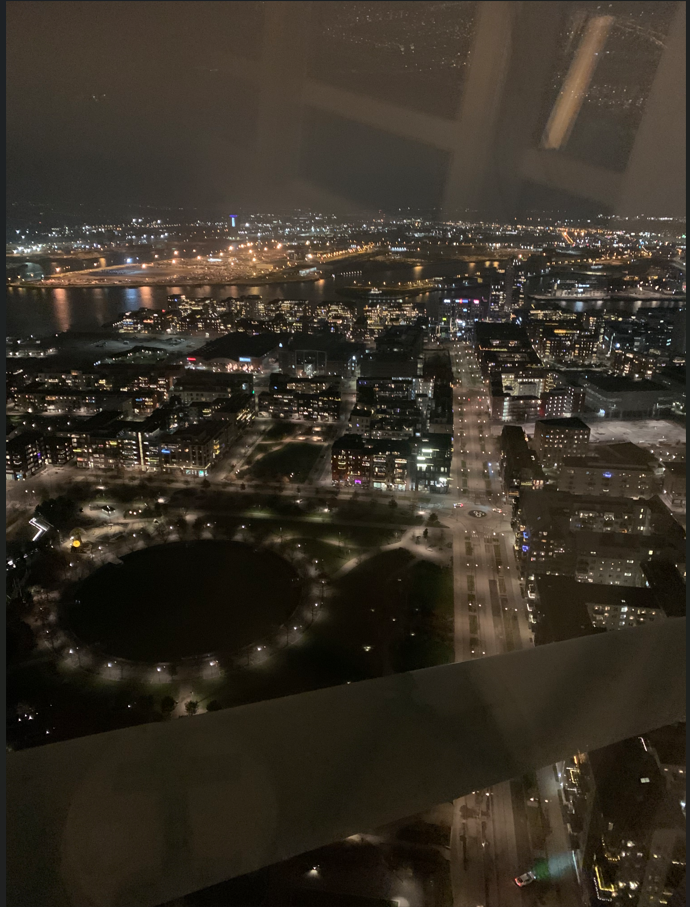
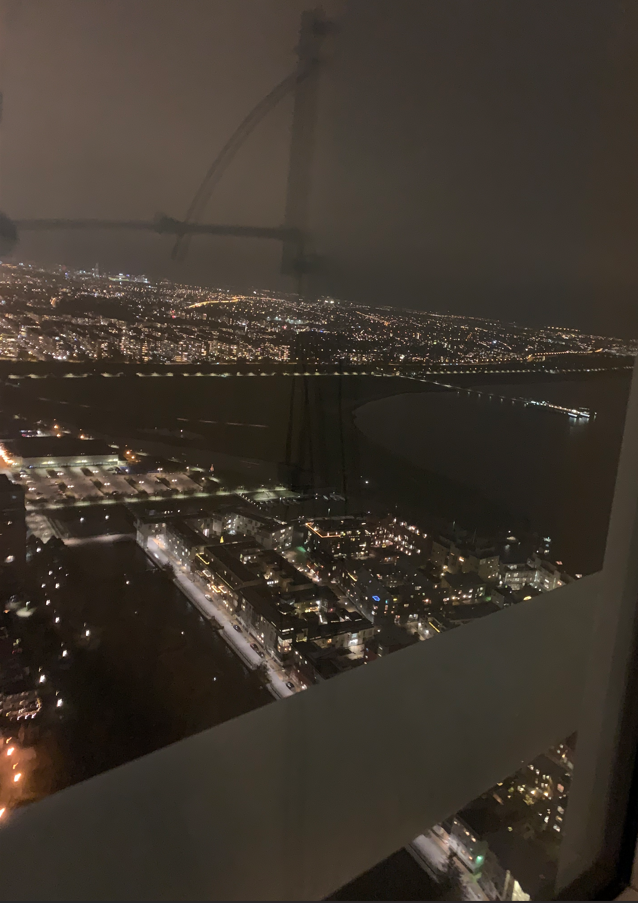
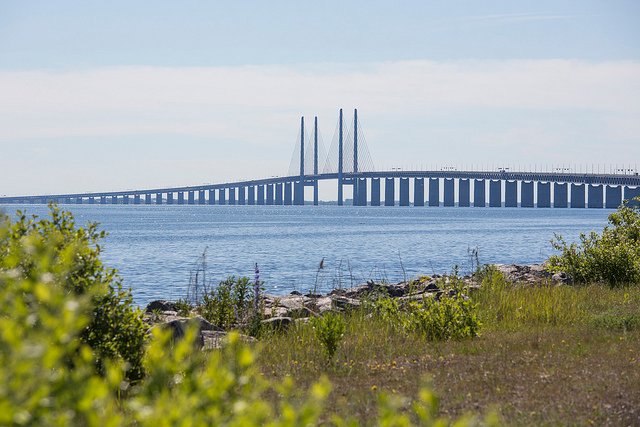
Evening photos of Malmö (Sweden) where BioVinnova AB is based and the Öresund bridge connecting Malmö and Copenhagen:
The logo of BioVinnova AB
We deliver enzyme solutions advancing food, feed, and bioindustry
Vi levererar enzymlösningar som lyfter mat, foder och bioindustri till nästa nivå
Copyright © 2025 BioVinnova AB. All rights reserved
